
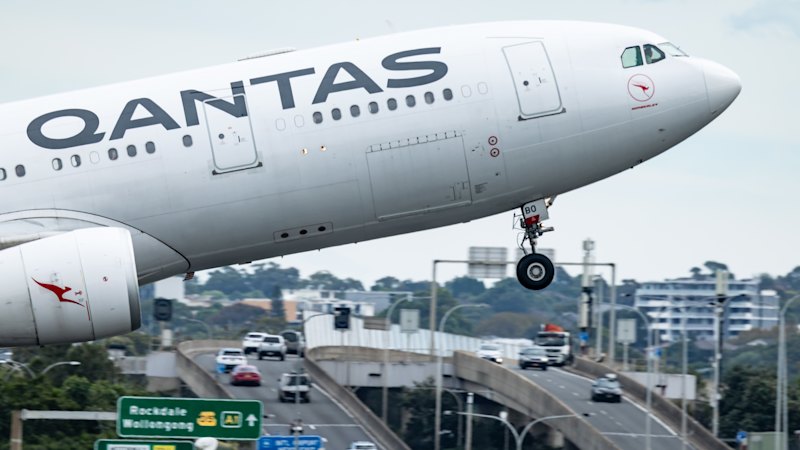
The blockade’s economic consequences are already materializing at speed. Australia’s flagship carrier Qantas warned of an $800 million blowout in fuel costs, with soaring jet fuel prices obliterating the airline’s previous financial guidance. The warning signals that passengers across the Asia-Pacific region — and likely globally — should brace for higher airfares as carriers scramble to absorb or pass on the pain.
The pain isn’t limited to corporate balance sheets. Tuvalu, one of the world’s smallest and most vulnerable nations, has declared a state of emergency over risks of fuel shortages directly linked to the Middle East conflict. The tiny Pacific island state, already on the front lines of climate change, now faces the prospect of running out of the fuel it needs for basic services — a stark illustration of how a conflict thousands of miles away can threaten the survival of the most exposed communities.
In New Zealand, households were already struggling with rising costs and economic uncertainty before the blockade. The question of whether families can still save money in 2026 has become a pressing public conversation, with the new energy price shock adding yet another layer of financial pressure.
Even Greece’s otherwise resilient property market offers a window into the broader economic picture. Bank of Greece data shows apartment prices rose 7.8% in 2025, down from 9.1% the year before — a sign of gradual cooling. Prices climbed 5.9% in Athens, 8% in Thessaloniki, and up to 10.5% in other major cities. But the new energy environment could alter these trajectories sharply.