
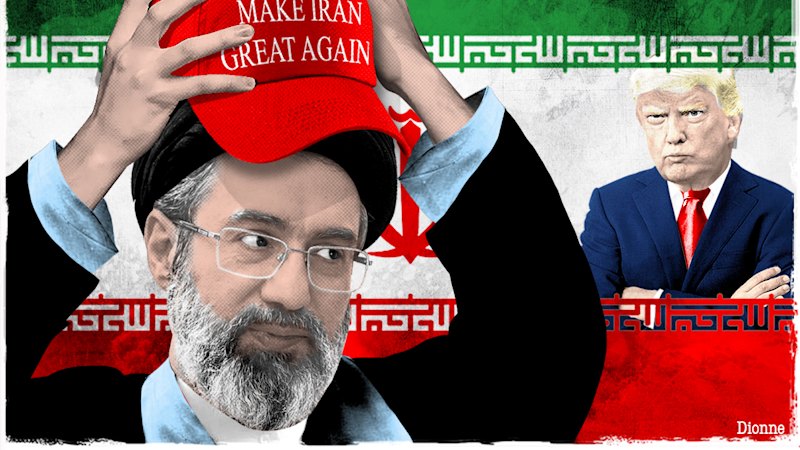
The war between the United States and Iran continues to dominate international headlines. On March 30, President Trump claimed progress in the conflict while simultaneously threatening to “obliterate” Kharg Island — Iran’s crucial oil export terminal in the Persian Gulf. The escalation underscores a war that, according to analysts, is not going as Washington planned.
Iran, according to reporting from The Age, “can bear a great deal more economic and energy pain than the US can,” a dynamic that poses a significant problem not just for the Trump administration but for the broader world economy. The conflict has already sent fuel prices soaring globally, triggering immediate domestic policy responses far from the Middle East.
In Australia, Prime Minister Albanese announced a fuel excise cut to combat the spike in petrol prices. But calls for free public transport in Sydney have been rebuffed; the premier argues that such a measure would ultimately see those hardest hit by fuel prices in regional areas subsidising wealthier urban commuters. Meanwhile, opinion writers are making the case for AUKUS — the trilateral defence pact between Australia, the UK, and the US — arguing that a nation dependent on seaborne trade needs credible plans to protect its supply lines. “Criticism of this vital defence program has been long on assertion and short on credible alternatives,” one piece argued.
The war’s economic fallout is compounding existing cost-of-living pressures in Australia, where housing affordability and mortgage stress were already dominating the news cycle.