
India’s latest round of state elections produced results that are reverberating through the country’s political landscape. The BJP’s victories in West Bengal and Assam drew sharp criticism from Congress leader Rahul Gandhi, who described the outcomes as a “theft” of the popular mandate and called on opposition parties to “put petty politics aside.” Gandhi publicly backed Mamata Banerjee, signaling a potential consolidation of opposition forces.
The results are already having geopolitical consequences. Bangladesh’s Foreign Minister seized on the BJP’s Bengal win to push for progress on the long-stalled Teesta River water-sharing agreement, noting that Mamata Banerjee had been perceived as the key hurdle in negotiations. “Of course, Teesta will be discussed with China,” the FM said ahead of a trip to Beijing — a remark underscoring Dhaka’s willingness to leverage multiple partnerships.
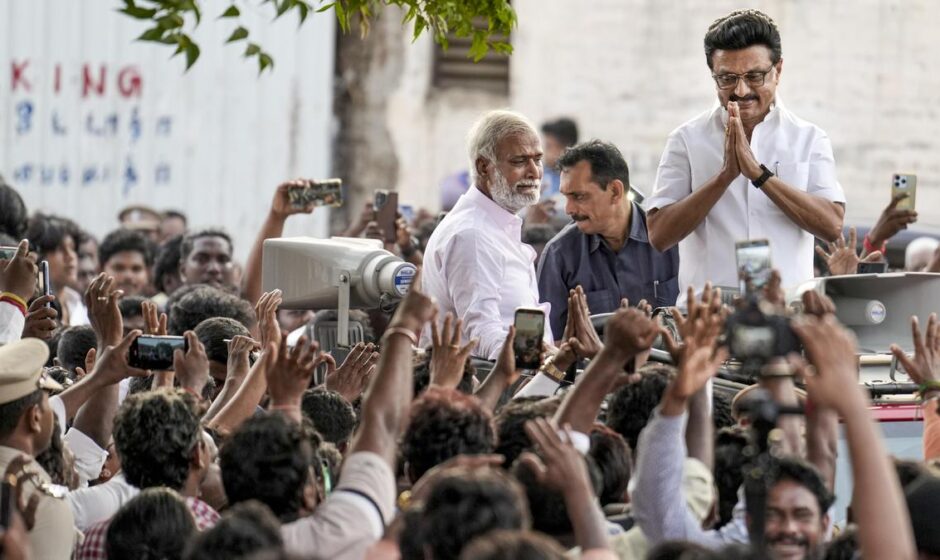
In Tamil Nadu, a political newcomer stunned the establishment: actor C. Joseph Vijay’s TVK party swept six seats in the Coimbatore district alone through what The Hindu described as a “new-age campaign.” Remarkably, Vijay himself did not conduct a single road show or public meeting in the district. DMK president Stalin, meanwhile, received a rousing reception in his Kolathur constituency, with voters crediting him for infrastructure improvements.
From Manipur, a grimmer story emerged. Zomi community leaders announced plans to transport the body of the late BJP MLA Valte to Delhi to protest outside the party’s headquarters. Valte was assaulted by a mob in Imphal in May 2023 and suffered life-threatening injuries; after his death in February 2026, his family refused to perform last rites until those responsible were arrested.